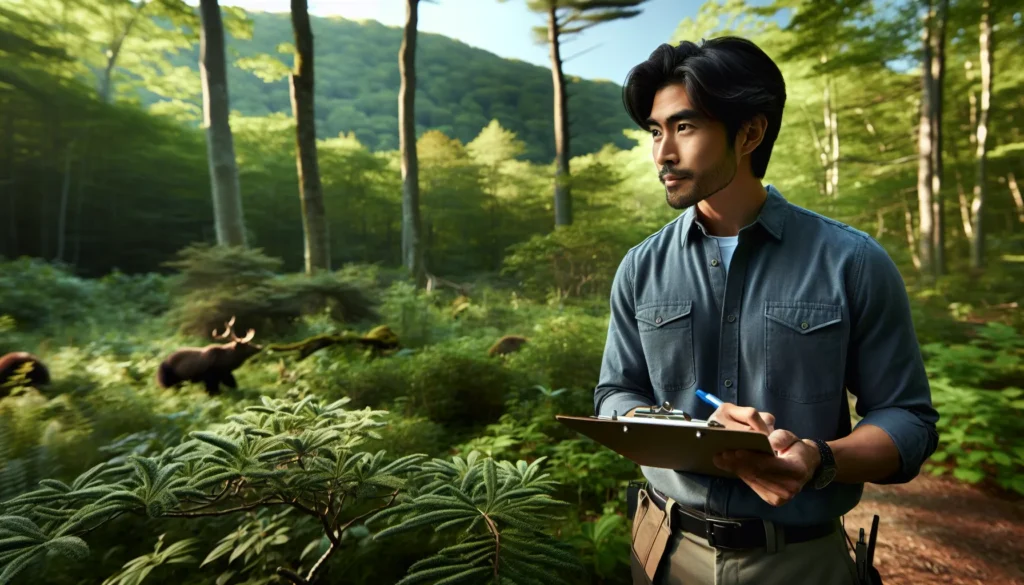
Ever find yourself daydreaming about the secrets of nature? Or maybe you’re just tired of hearing about yet another species on the brink of extinction? Well, we’re here to explore the intriguing world of conservation biology, a field charged with the mission of protecting our planet’s biodiversity. Together, let’s jump into why this discipline is so crucial, peek at the key principles it stands on, and see how we can pitch in to save our furry and feathered friends. Trust us, conservation biology is more than just a buzzword: it’s a lifeline for the rich tapestry of life that we all cherish.
The Importance of Conservation Biology
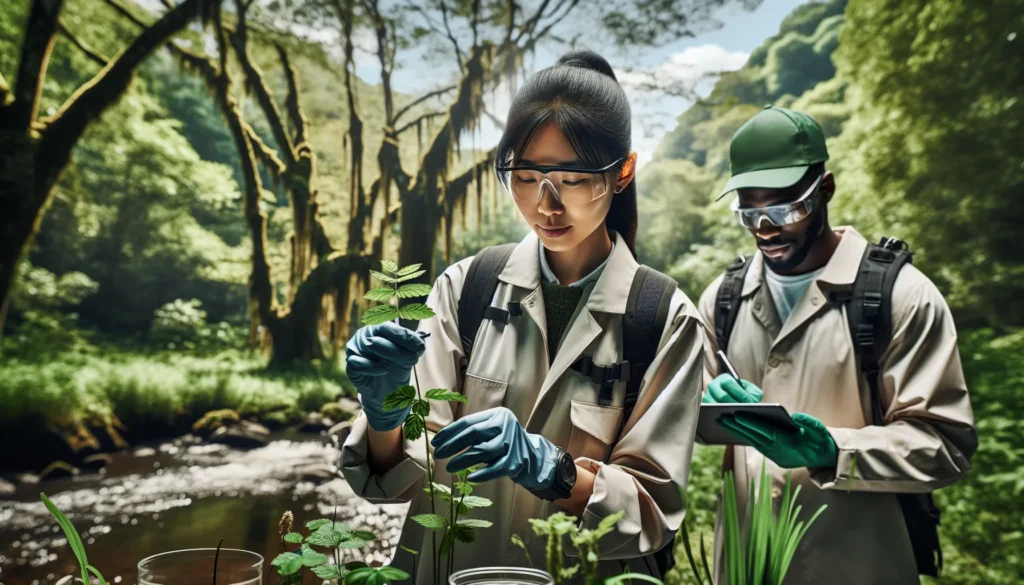
Conservation biology is not just about saving cute animals or preserving pretty plants. It encompasses a broad spectrum of ecological interactions that bind ecosystems and support life on Earth. This discipline serves as our safeguard against the loss of biodiversity, which is essential for maintaining the balance of ecosystems.
Why does this matter? By protecting biodiversity, we protect ourselves. Ecosystems provide us with clean air, fresh water, and fertile soil, fundamental resources that sustain our communities. A drop in biodiversity often leads to unforeseen consequences, such as the breakdown of food webs or the rise of pests. So, when we invest in conservation biology, we’re essentially investing in the well-being of our planet and, so, ourselves.
Key Principles of Conservation Biology

At the heart of conservation biology are a few guiding principles that offer a framework for action. First, we need to understand biodiversity itself. This includes everything from genetic diversity within species to the myriad ecosystems that exist. Each level of biodiversity plays a critical role in sustaining life.
Next up is sustainability. Conservation biology emphasizes the sustainable use of natural resources, ensuring that we don’t deplete what we rely on for future generations. Think about it, we can enjoy our resources without wiping them out.
Finally, the connectivity of ecosystems is vital. Just as we navigate through life connecting with others, ecosystems thrive through interconnections that allow species to interact and environments to flourish. By maintaining these connections, we enhance resilience against environmental changes.
Threats to Biodiversity
 biodiversity conservation in a modern office.”>
Even though our best intentions, numerous threats to biodiversity loom large. Habitat destruction often tops the list, whether it’s due to urbanization, agriculture, or logging. Each cleared forest or drained wetland signals a potential loss of countless species.
Pollution is another alarming threat, as chemicals and waste seep into and disrupt ecosystems. Air and water pollution can lead to dire consequences, such as loss of aquatic life or respiratory diseases in wildlife.
Also, climate change is an overarching concern that shifts climate patterns and habitats. The rising temperatures affect breeding seasons and migration routes, placing species at risk. We cannot ignore this triad of habitat destruction, pollution, and climate change if we hope to conserve the beauty of life on Earth.
Conservation Strategies and Approaches

So how can we confront these looming threats? Conservation biology offers various strategies to tackle crisis points. Protected areas are perhaps the most well-known strategy, as they establish environments where wildlife can thrive without human interference. National parks and wildlife reserves are our best allies in this regard.
Another approach is restoration ecology, wherein we actively restore ecosystems that have been degraded or destroyed. This may include replanting native species or reintroducing keystone species that are essential to ecosystem balance.
Finally, there’s the role of community engagement. Local advocacy and education empower individuals and communities to become stewards of their surrounding environments. Our collective action can amplify conservation efforts across vast landscapes.
The Role of Conservation Biologists

Conservation biologists are akin to environmental superheroes, minus the capes, of course. They use scientific research to develop strategies and solutions aimed at biodiversity conservation. These professionals assess ecosystems, study species, and identify critical habitats that need protection.
Their work isn’t solely confined to research: they also engage in restoring habitats, collaborating with communities, and advocating for policy changes. They wield their expertise like a powerful tool, guiding our collective action toward a healthier planet. In essence, conservation biologists play a pivotal role in ensuring that future generations inherit a thriving, green Earth.
Future Directions in Conservation Biology
As we peer into the future of conservation biology, we see an exciting realm of possibilities expanding before us. The integration of technology is a significant trend we cannot overlook. From drones mapping wildlife populations to genetic sequencing identifying species and their health, technology enhances our ability to monitor and protect biodiversity.
Also, there’s a growing emphasis on collaboration across borders. Biodiversity knows no boundaries, and international efforts often bear more fruit than isolated ones. We are on the cusp of groundbreaking partnerships that will leverage resources and insights to improve conservation efforts globally.
Besides, embracing indigenous knowledge and community-led conservation strategies can foster more effective ecological stewardship. Learning from communities that have lived harmoniously with nature for generations can reshape our approaches to conservation.