
Imagine a world teeming with life, where forests flourish and oceans are vibrant. Now, picture the opposite, bleak landscapes and silent seas. Not a pleasant thought, right? That’s where conservation science comes into play. It’s our sword and shield in the battle against ecological collapse. Join us as we jump into the fascinating realm of conservation science, where each effort counts and every species lost is a story untold.
Understanding Conservation Science

Conservation science is a field dedicated to understanding and preserving the natural world. We stand at the intersection of ecology, biology, and environmental science, aiming to safeguard ecosystems and the biodiversity they harbor. This discipline isn’t just about saving the cutest animals on Instagram. Instead, it encompasses all aspects of the environment, plants, animals, and their habitats, working to ensure that balance is maintained.
We employ rigorous scientific methods to assess threats, from climate change to habitat destruction. The goal? To create actionable strategies that protect species and restore ecosystems.
This holistic approach intertwines various elements: we study population dynamics, analyze ecosystems, and even explore the socio-economic factors impacting conservation. In doing so, we gain a comprehensive view of how to effectively preserve our planet.
The Importance of Biodiversity

Biodiversity is the backbone of a healthy planet. We often underestimate its significance. Each species, from the smallest microbe to the largest mammal, plays a unique role in its ecosystem. The greater the biodiversity, the more resilient and adaptable an ecosystem becomes. Think of it this way: a diverse ecosystem can weather storms, recover from crises, and provide essential resources like clean air and water.
Also, biodiversity is pivotal to our survival. It’s not just about the animals. Our food, medicine, and even raw materials come from diverse biological resources. When species disappear, we lose invaluable potential, and the delicate web of life becomes increasingly fragile. So, conserving biodiversity isn’t merely an environmental concern, it’s a human one.
Key Principles of Conservation Science
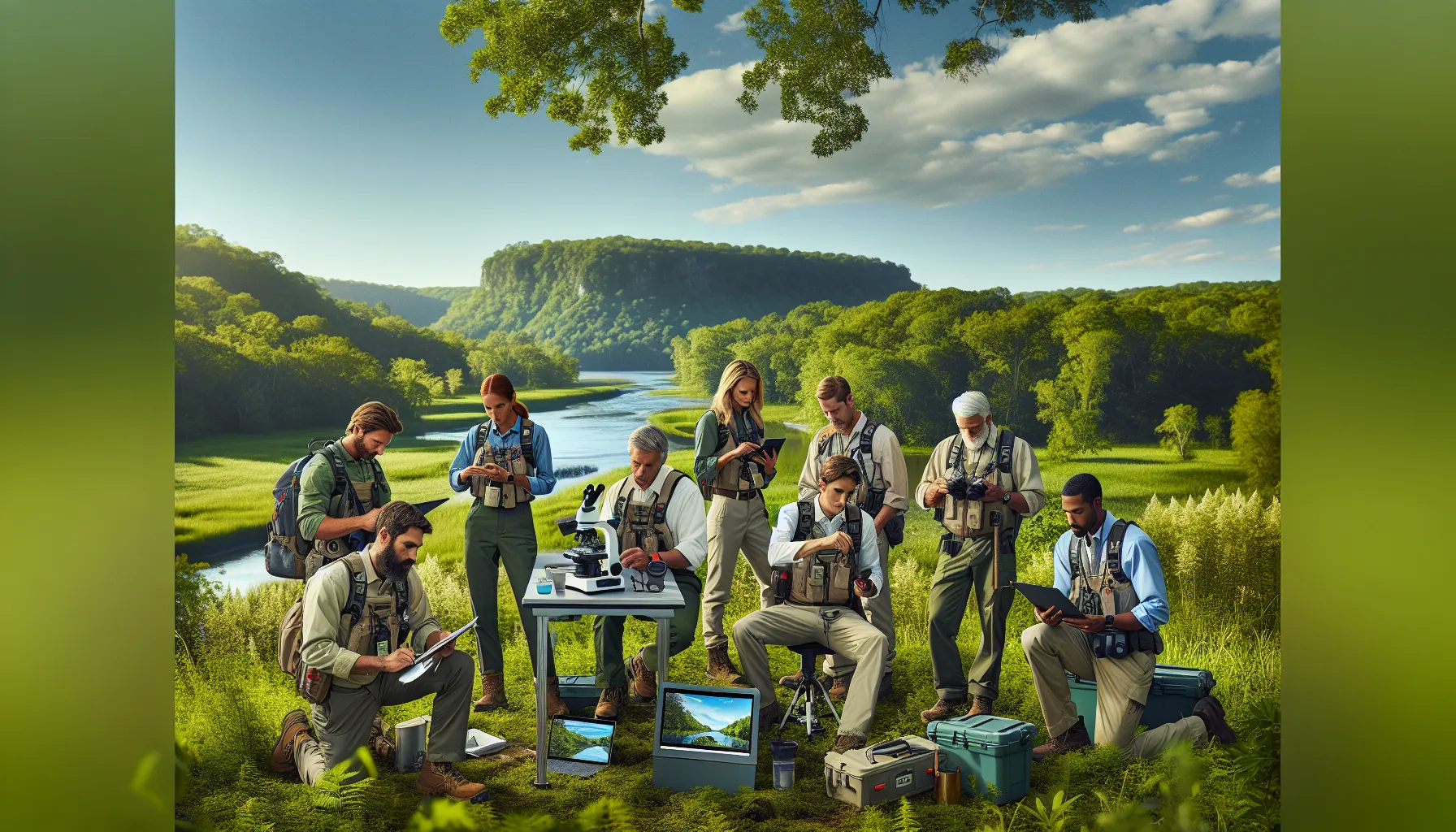
Conservation science is underpinned by several core principles that guide our actions.
Methods and Approaches in Conservation Science
We employ a variety of strategies tailored to specific needs:
- Protected Areas: Establishing national parks and reserves allows ecosystems to thrive without human interference.
- Sustainable Management: We work with communities to promote practices that balance human needs with ecological health.
- Restoration Ecology: This approach focuses on rehabilitating damaged ecosystems, imagine reforesting a barren landscape or revitalizing a polluted river.
- Legislation and Policy: By advocating for sustainable laws, we help ensure that conservation efforts are backed by strong frameworks.
These principles guide our interventions, allowing us to tackle conservation challenges from multiple fronts.
Challenges in Conservation Science

Even though our best efforts, conservation science faces numerous challenges. Climate change looms large, driving species to extinction faster than we can respond. Habitat loss due to urbanization and agriculture further complicates our mission.
Also, funding for conservation projects is often limited and contingent on political will. When priorities shift, initiatives can falter, leaving vulnerable species at risk. Another significant hurdle is the often complex relationship between humans and nature. We face resistance from communities that rely on natural resources for their livelihood.
Innovative solutions are crucial as we navigate these hurdles. Collaboration between scientists, policymakers, and local populations is essential for effective conservation strategies.
Future Directions in Conservation Science
Looking ahead, we must embrace technology and community engagement more than ever. With advancements in data analytics, remote sensing, and genetic research, we can innovate new ways to monitor ecosystems and manage conservation efforts sustainably.